Facial aging is not primarily a skin problem. It is a structural one. Bone remodels and recedes at the orbital rim, midface and jaw; deep and superficial fat compartments deflate and descend; ligaments loosen. The result is a face that reads tired or heavy even when the skin itself is in good condition. Dermal fillers, used correctly, are structural tools that address that loss — and used incorrectly, they are the reason 'filler face' entered the vocabulary.
What Hyaluronic Acid Filler Is
Most fillers we use are cross-linked hyaluronic acid, a sugar molecule your body already produces and metabolizes. Cross-linking determines how firm, how cohesive and how long-lasting a given product is. Firmer, highly cohesive gels provide lift and projection over bone — cheekbone, chin, jawline. Softer, more spreadable gels integrate into delicate tissue such as lips, tear troughs and fine perioral lines. A skilled injector selects product by mechanical property and depth, not brand loyalty.
The crucial safety feature of hyaluronic acid is reversibility. Hyaluronidase, an enzyme we keep on hand at all times, dissolves the product. That safety net is one of the reasons we favor HA over permanent or semi-permanent alternatives for the vast majority of patients.
Areas And What Each Achieves
- Midface and cheeks — restoring the anterior cheek projection that supports the lower lid and softens nasolabial folds indirectly, rather than injecting the fold itself.
- Chin and jawline — improving profile balance, defining the mandibular border, and camouflaging early jowling. Often the highest-impact area and the most under-requested.
- Lips — hydration, subtle volume, definition of the vermillion border, and correction of asymmetry. Conservative dosing over multiple sessions produces the natural results people actually want.
- Tear troughs — an advanced, high-risk area requiring low-viscosity product, correct candidacy, and an injector who declines when the anatomy is wrong.
- Temples and lateral brow — replacing hollowing that makes the upper face look gaunt and drags the brow tail down.
- Nasolabial folds and marionette lines — refined last, after structural support has been restored above them.
The Consultation Comes First
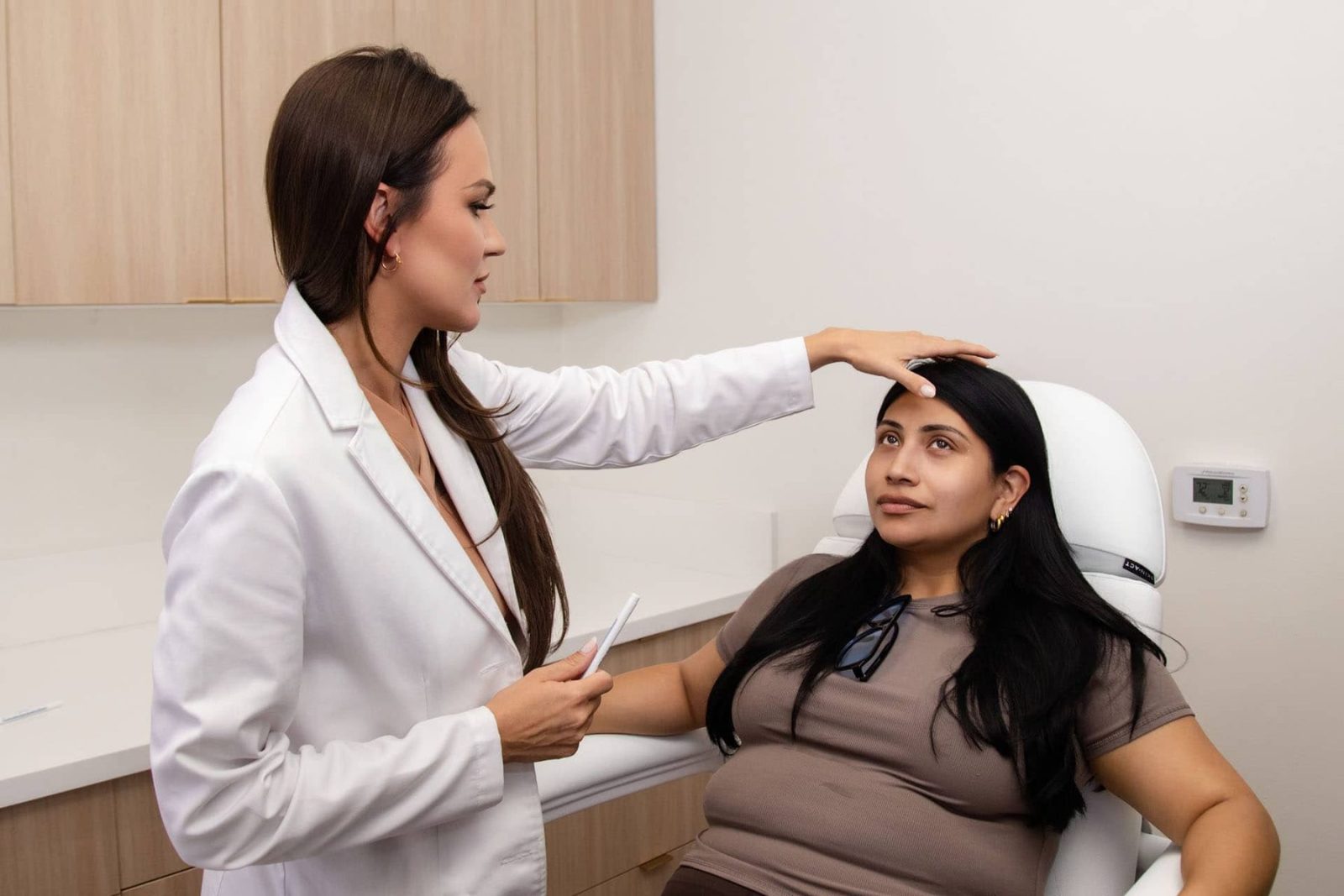
At our Encino practice, filler always begins with a full-face assessment in animation and at rest, in good light, with photography. We look at proportion and vector of descent, not at a list of complaints. Frequently, the treatment plan that addresses a patient's concern is not the one they walked in requesting: a patient bothered by nasolabial folds often needs midface support; a patient asking for lip filler often needs chin projection first for the profile to balance.
What Treatment Feels Like
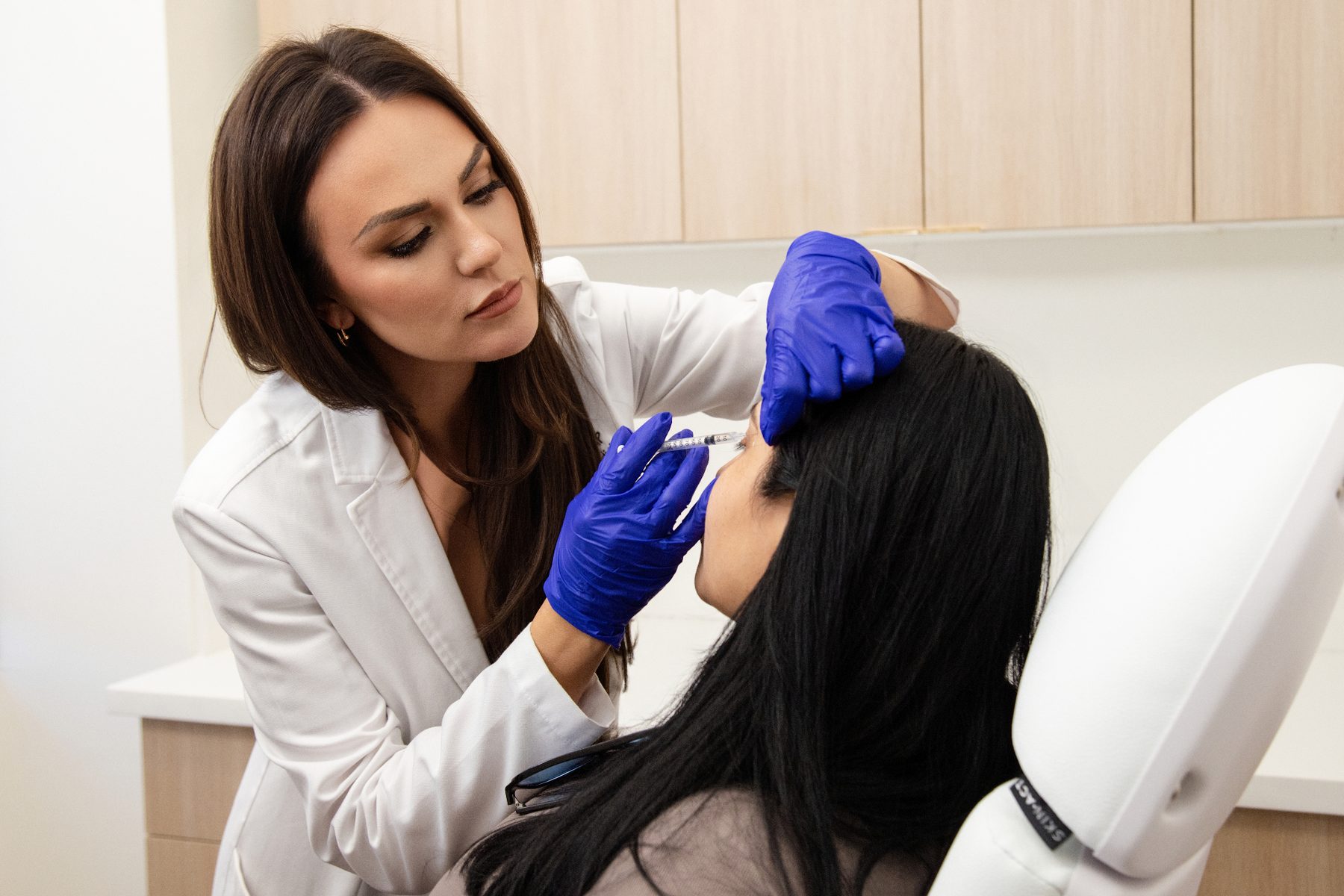
Sessions run thirty to sixty minutes. Topical anesthetic is applied, and most modern fillers contain lidocaine. We use cannulas in vascularly higher-risk regions such as the midface and tear troughs, which reduces bruising and improves safety. Expect swelling for two to five days, and the real possibility of bruising — plan around events by at least two weeks. Lips in particular swell dramatically for forty-eight hours; that swelling is not your result.
Longevity And Maintenance
Duration varies by product, placement depth and individual metabolism. Firm structural gels over bone commonly last twelve to twenty-four months. Lip filler typically lasts six to twelve months because the area is mobile and highly vascular. Rather than a fixed schedule, we recommend annual assessment and topping up what has metabolized — an approach that avoids the slow accumulation that produces distorted proportions over a decade.
Safety, Honestly Discussed
Common effects are swelling, bruising and temporary tenderness. Nodules and asymmetry are uncommon and usually correctable. The rare but serious risk is vascular occlusion — filler entering or compressing a blood vessel, which can threaten skin or, in the periocular region, vision. This is why the training and preparedness of your injector matter far more than the price per syringe. Our clinicians are trained in facial vascular anatomy, keep hyaluronidase immediately available, and operate under physician direction with clear emergency protocols.
The goal is not more volume. It is better architecture — restoring what supported the face before, in the places it actually left.
Filler Versus Biostimulators Versus Laser
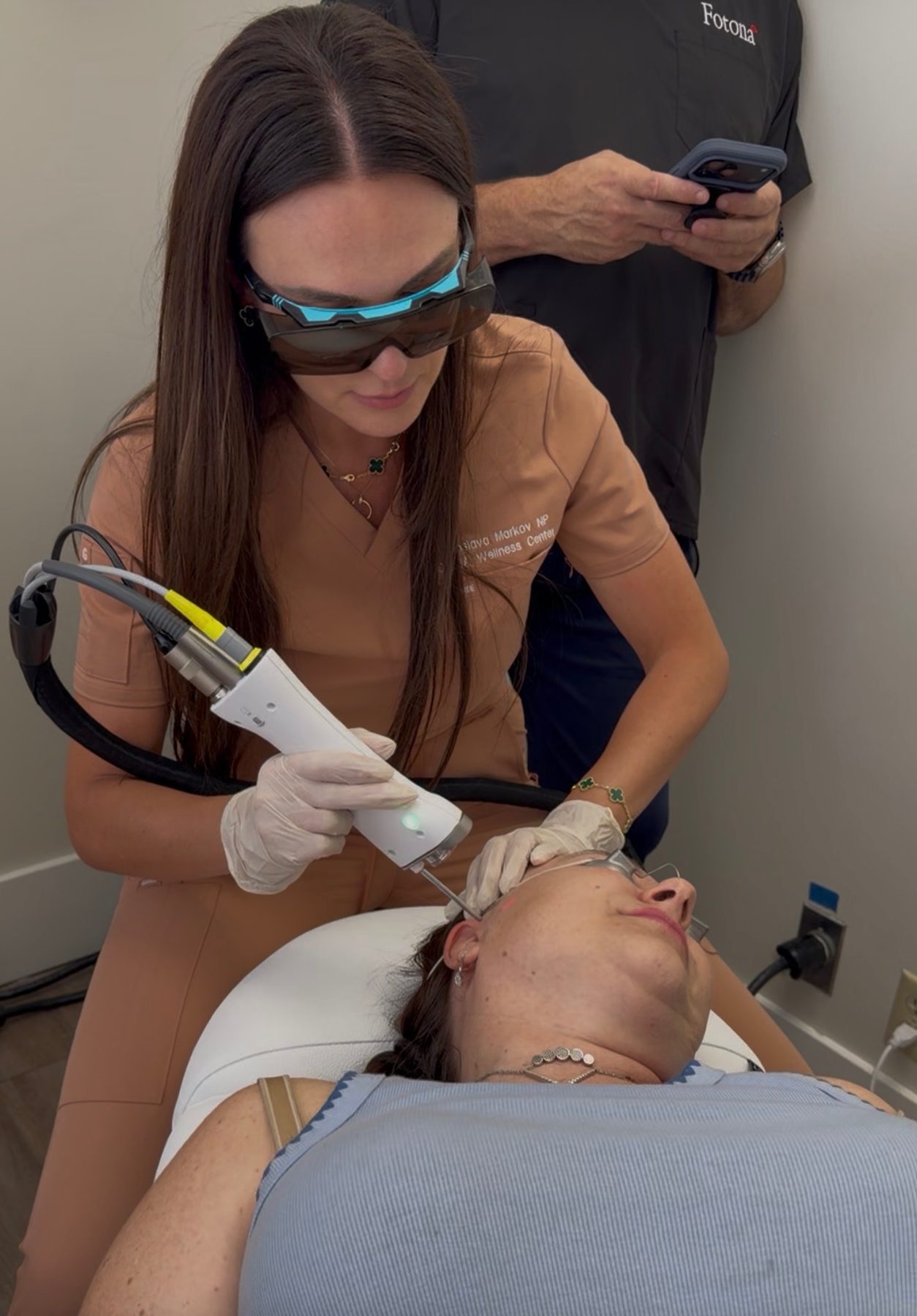
Filler provides immediate structural volume. Biostimulators stimulate your own collagen for gradual, diffuse restoration over months and suits patients with global volume loss. Fotona laser addresses skin quality and laxity but adds no volume. Most patients over forty-five benefit from some combination, sequenced deliberately: skin health first, collagen stimulation next, filler last to refine balance. That sequence is the difference between a natural result and an obvious one.
Book a Consultation in Encino
Omnia Wellness Center is located in the heart of Encino, minutes from Sherman Oaks, Tarzana, Studio City, Woodland Hills, Van Nuys, Calabasas, and Beverly Hills. Every treatment plan begins with a private consultation, a full assessment, and an honest conversation about what will — and will not — help you reach your goals. Call or text (818) 853-1351, or book online, and our clinical team will build a plan around your anatomy, your timeline, and your budget.